Why Representation Matters: Supporting Black Families in Adoption

Honoring Heritage. Building Confidence. Strengthening Identity.
Representation isn’t a buzzword — it’s a foundation.
Especially in adoption.
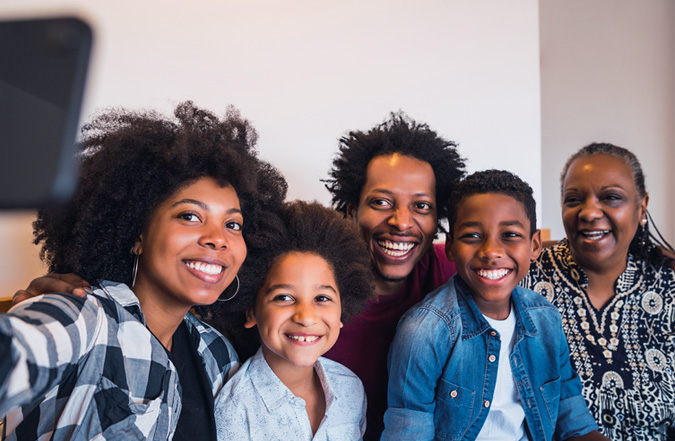
For Black children and Black adoptive families, representation is tied to identity, belonging, mental health, cultural confidence, community, and the ability to see a future they can grow into.
Whether a child is adopted into a Black family or a transracial family, representation shapes how they see themselves and how the world sees them.
This article breaks down why representation is essential, how it impacts adopted children and families, and how adoptive parents can build a home that truly honors culture and identity.
1. Representation Builds Identity & Self-Worth
Children need to see people who look like them — not only in their homes, but in:
-
books
-
movies
-
teachers
-
doctors
-
community spaces
-
places of worship
-
mentors
For Black adoptees, this representation creates a powerful message:
“You belong. You matter. You are seen.”
Without positive mirrors, children may struggle with:
-
understanding their heritage
-
feeling proud of their features
-
navigating society’s perceptions
-
building a confident identity
Representation acts as an anchor, especially during adolescence when identity becomes central.
2. Culture Connects Children to Their Roots
Culture is more than skin color.
It’s:
-
traditions
-
food
-
music
-
history
-
language patterns
-
shared experiences
-
community values
When a child has access to their cultural heritage, they gain:
-
stronger self-esteem
-
deeper belonging
-
a sense of pride
-
knowledge of where they come from
-
comfort in understanding themselves
For Black families adopting Black children, this cultural understanding often comes naturally.
For transracial adoptive parents, it requires intention — but it’s absolutely possible and deeply impactful.
3. Black Families Bring Unique Understanding to the Adoption Journey
Black families often carry lived experiences that help them:
-
prepare Black children for the world
-
teach resilience and confidence
-
provide culturally rooted guidance
-
navigate conversations about race, history, and identity
-
create environments where children feel completely understood
This doesn’t mean only Black families can raise Black children successfully — but it does highlight the powerful role Black adoptive parents play in giving children culturally competent care from day one.
4. Transracial Families Must Be Prepared for Real Conversations
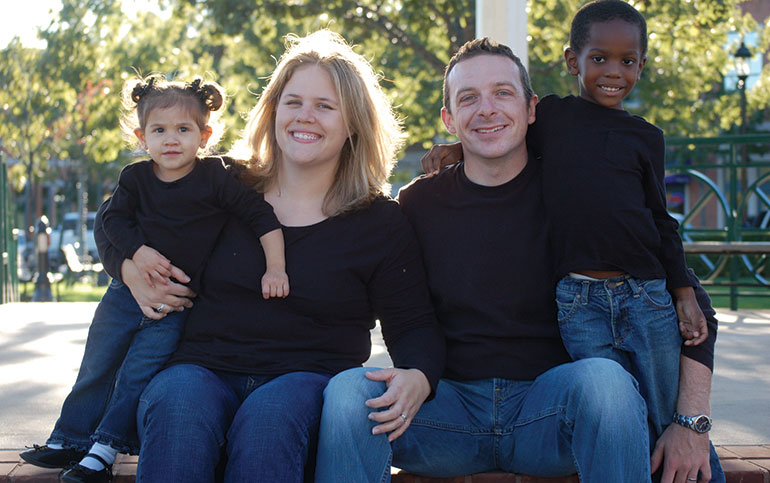
When non-Black families adopt Black children, representation becomes even more important.
It requires:
✔️ Education
Learning Black history, hair care, skin care, cultural holidays, dialects, and experiences.
✔️ Exposure
Surrounding the child with diverse communities, mentors, and friends.
✔️ Humility
Being open to saying, “I don’t know — but I’m willing to learn.”
✔️ Advocacy
Standing up for the child in school, medical settings, and society when bias or misunderstanding appears.
Representation becomes a form of protection, affirmation, and celebration.
5. Hair Care, Skin Care & Personal Expression Are Cultural Touchstones
For Black children, hair and skin care are not “small details” — they are cultural, emotional, and identity-forming.
Understanding:
-
curl patterns
-
protective styles
-
moisturizing routines
-
Black barbershops & salons
-
hair history and pride
…is essential to honoring their identity.
When a child sees their hair cared for properly and proudly, they feel:
-
beautiful
-
valued
-
connected
-
confident
Representation shows up in daily routines, not just big moments.
6. Community Makes a Difference
Whether a child is adopted by a Black family or a non-Black family, having community around them is life-changing.
This includes:
-
Black mentors
-
Black teachers or coaches
-
Black cultural events
-
Black church communities
-
Black peer groups
-
Representation in their neighborhood
Community helps children form friendships, understand cultural norms, and feel supported.
7. Representation Helps Children Prepare for the Real World
Children grow into adults — and the world they walk into will reflect racial realities.
Representation helps:
-
build resilience
-
navigate racial identity
-
prepare for questions or misunderstandings
-
develop emotional intelligence
-
form pride in self and heritage
It creates confident adults who understand who they are and where they come from.
8. Adoption Is Not Just Placement — It’s Lifelong Identity Support
A child’s identity journey continues well into adulthood.
Representation ensures:
-
they never feel isolated
-
they grow up with accurate narratives about their heritage
-
they feel proud of their background
-
they build healthy racial and cultural identity
-
they develop strong self-esteem
Adoptive parents — Black and non-Black — play a powerful role in shaping this lifelong journey.
Final Thoughts: Representation Isn’t Optional — It’s Essential
Supporting Black families and Black adoptees means honoring culture, celebrating identity, and creating a space where children feel:
seen, safe, loved, and fully understood.
At Mahogany Adoption Group, we believe representation is a foundation for healthy growth — not just for children, but for adoptive families too.
Our commitment is to support expectant mothers, adoptees, and families with resources that uplift heritage, nurture identity, and strengthen every step of the adoption experience.